How We Reimagined Our Website for Improved UX and SEO
ummary:
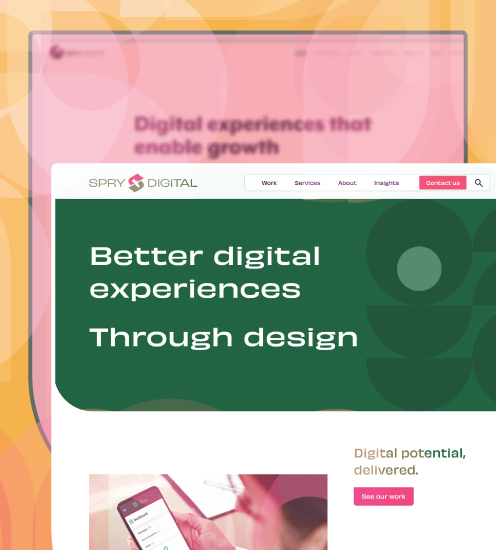
- The Goal: Align our website redesign with our new visual identity for a cohesive digital experience.
- The Approach: Apply the same UX, SEO, and strategy-driven process we use for client work.
- The Work: Audit, research, design, content strategy, and development—done intentionally and collaboratively.
- The Result: A clearer, more usable, and more discoverable website built for users and search engines.
When updating a visual identity, an organization must consider every brand touchpoint. This includes business cards, presentation decks, videos, and branded swag. However, one of the most significant efforts is updating the website to reflect the new identity clearly and consistently.
For our rebrand, we paired our website redesign with our new visual identity. This is an approach we often recommend to clients who want a cohesive digital experience. Earlier in this series, we shared how we aligned stakeholders around the need for a rebrand and outlined the steps we took to implement it. In this post, we’ll focus on how we reimagined one of our most important digital marketing assets: our website.
Website audit for improved user experience and SEO
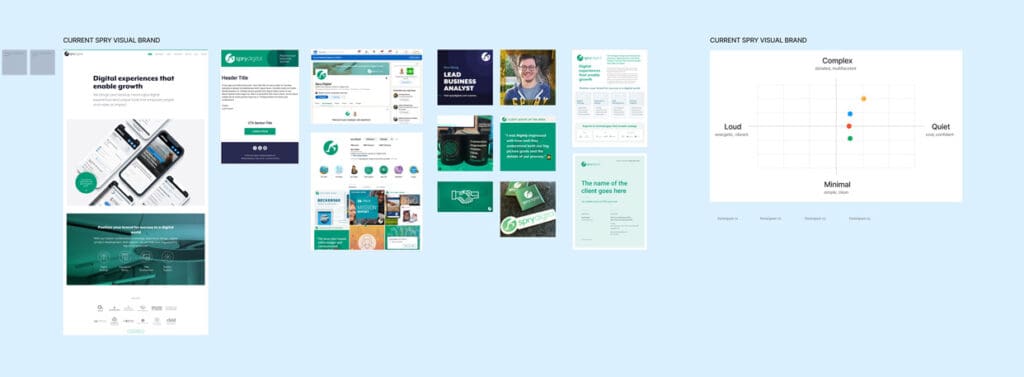
First, we followed the same process we use for our clients. We began with our Listen and Diagnose phase, which started with a comprehensive website audit.
This audit helped us identify key areas for improvement. Just as importantly, it ensured the entire team understood the site’s current state. That shared understanding helped us build alignment and gain buy-in early.
During this phase, we evaluated user experience (UX), brand alignment, content quality, accessibility, performance, and analytics trends. As a result, we gathered both qualitative and quantitative insights that informed every decision that followed.
Competitive analysis to strengthen digital strategy
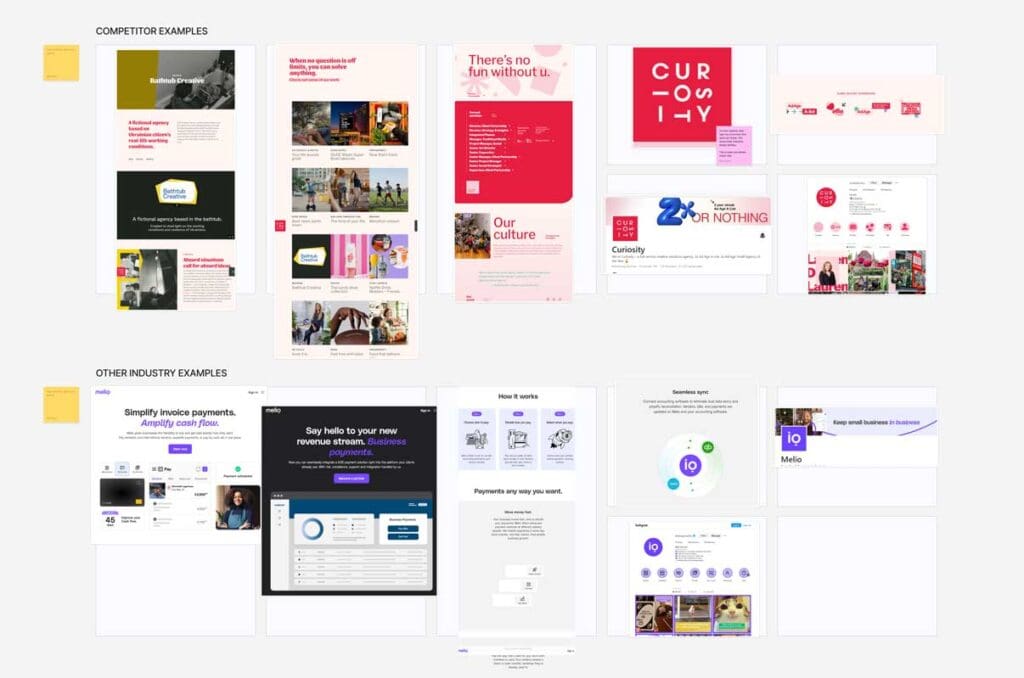
Next, we stepped back to gain perspective. As brand owners, we live and breathe Spry Digital every day. Our audiences do not.
To better understand how others experience our brand, we conducted user research and competitive analysis. This work gave us valuable context for our digital strategy. More importantly, it highlighted opportunities to differentiate our user experience from others in the market.
User experience strategy and planning to meet our users where they are
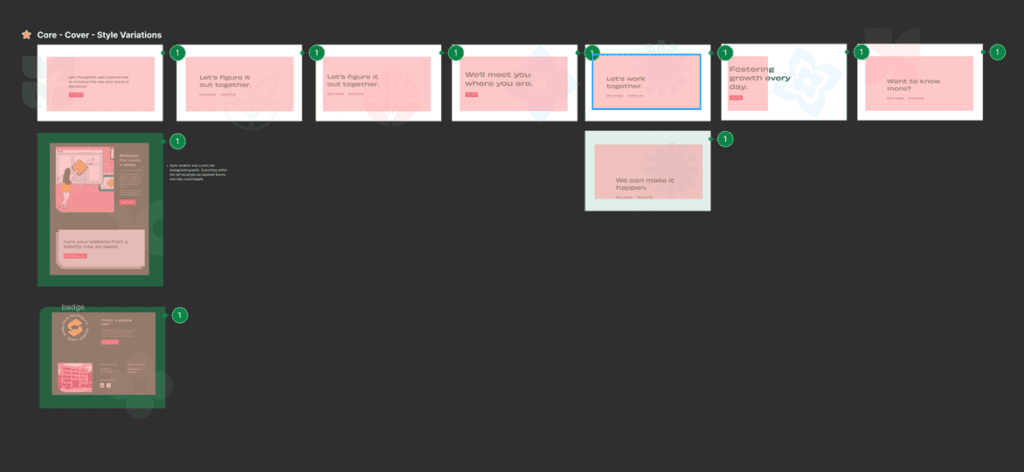
To create an effective website experience, we put ourselves in our users’ shoes. Visitors arrive with specific needs and questions. At the same time, we have key actions we want them to take.
By designing with empathy and user intent in mind, we balanced those needs with our business goals. Ultimately, this approach helped us meet users where they are — without losing sight of where we want them to go.
Style tiles for visual design inspiration
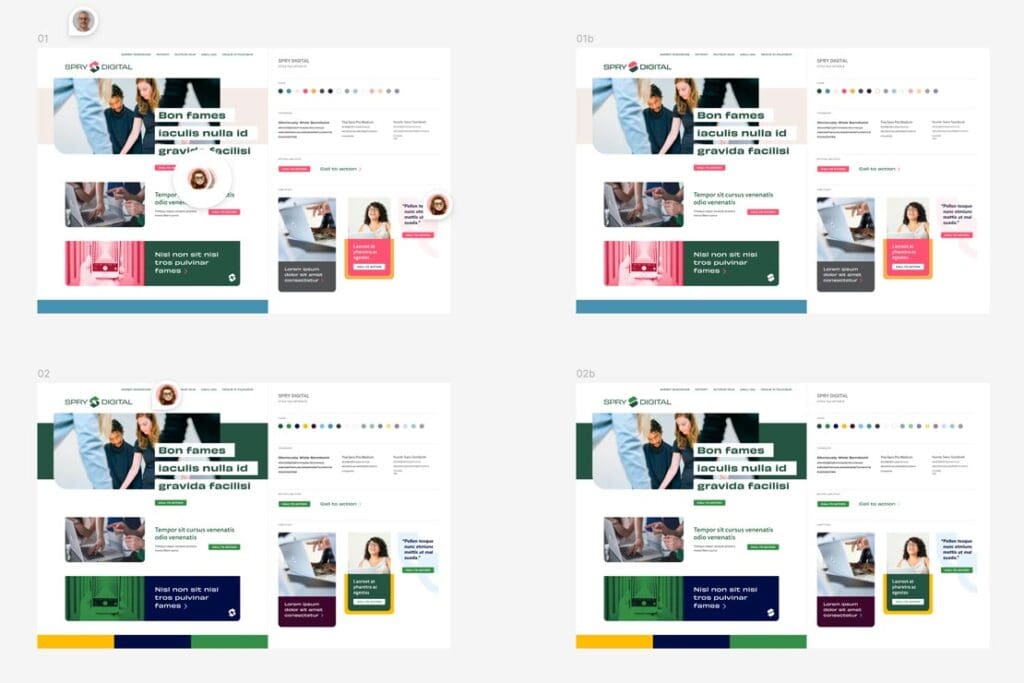
Once the strategy was clear, we explored visual directions that could bring our new brand identity to life. We focused on abstract concepts like growth and potential.
To do this efficiently, we used style tiles as visual mood boards. These tiles allowed us to present multiple design approaches and interface options. As a result, stakeholders could quickly align on a refreshed visual language and overall web design direction.
Information architecture and content strategy to provide the building bones of the site
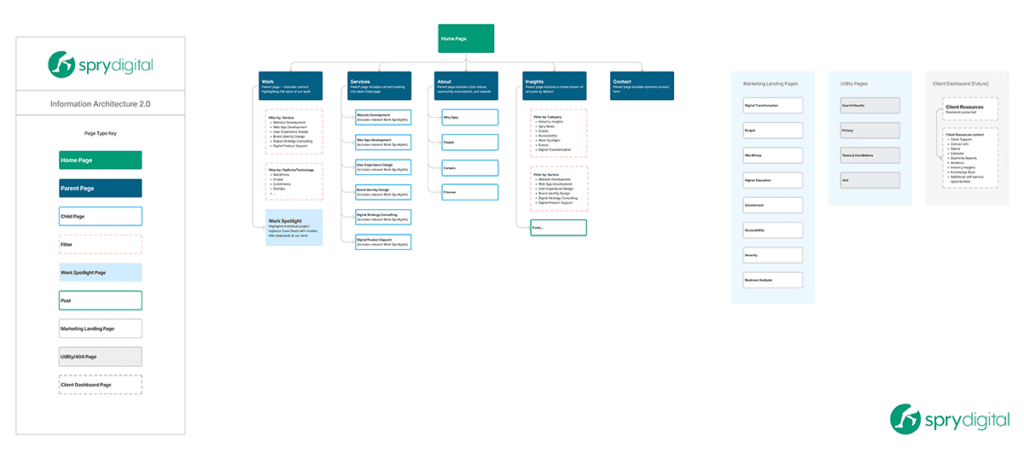
Effective websites must communicate, inform, and inspire. To support that goal, we developed a detailed site map that outlined new pages and their relationships.
At the same time, we analyzed existing content, planned new material, and mapped user journeys. Together, these efforts improved navigation, clarified structure, and strengthened SEO performance.
Wireframes for efficient design planning
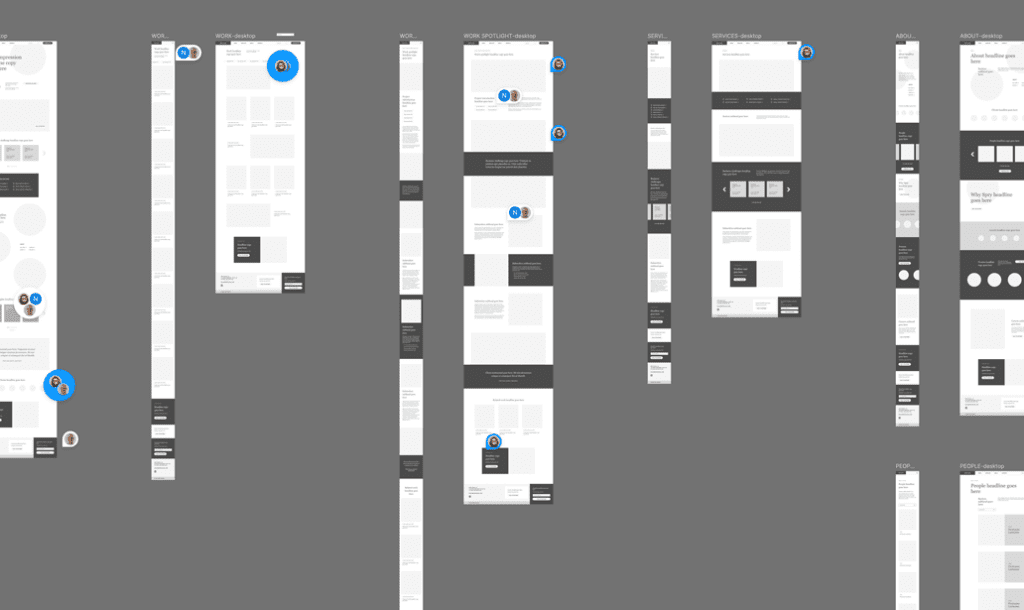
Next, we created wireframes to act as blueprints for the site. These grayscale layouts helped define page structure, content placement, and user flow.
Because wireframes stay intentionally simple, they made feedback easier. They also allowed us to refine ideas quickly before moving into visual design.
Clickable comps for interactive design feedback
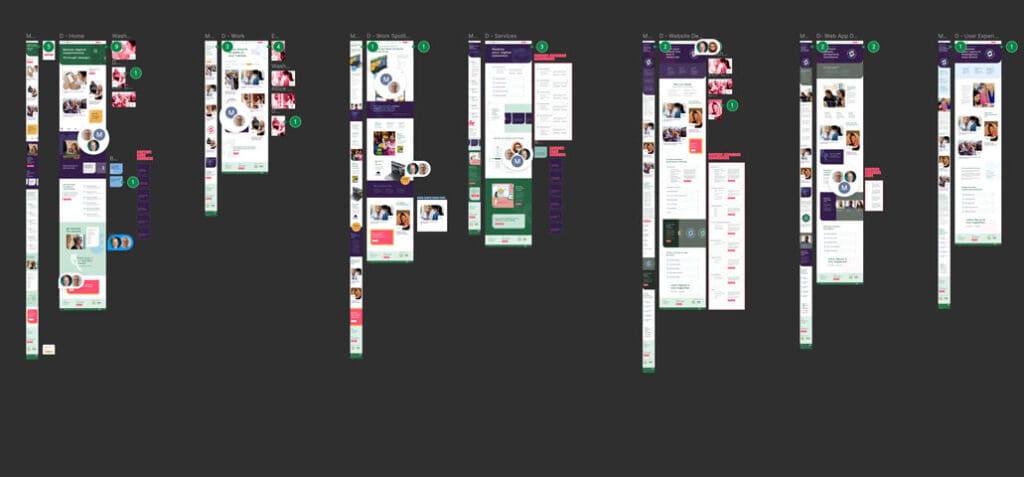
With approved style tiles and wireframes in place, we built clickable prototypes. These interactive comps became our most tangible deliverable during the design phase.
By simulating navigation and interactions, we gathered meaningful feedback early. This collaboration helped us refine the experience before development began.
Content creation for SEO optimization
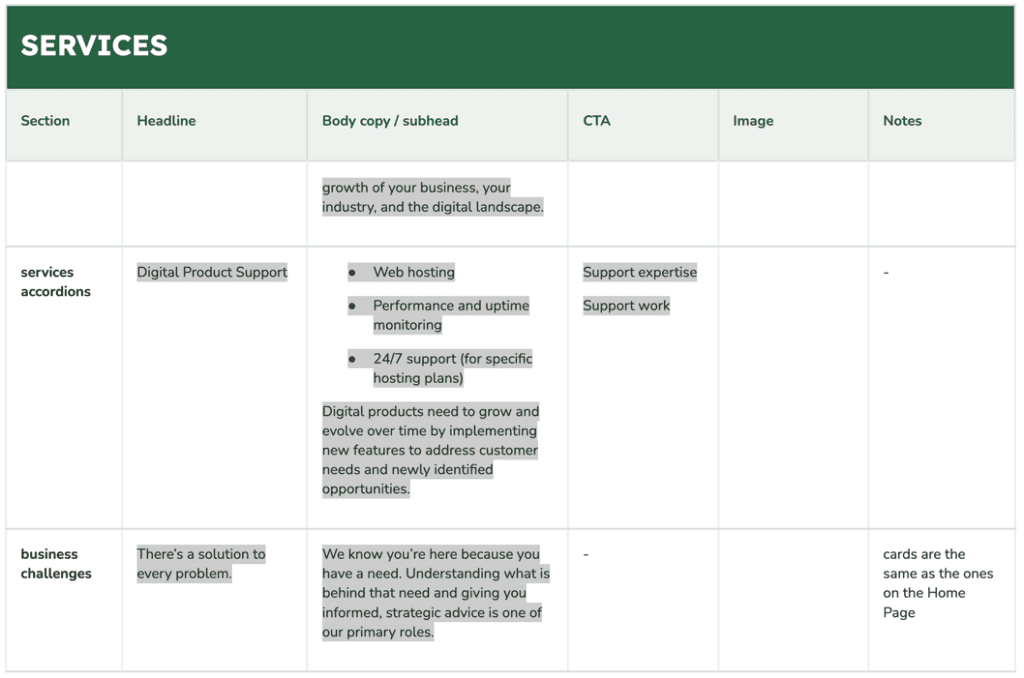
At the same time, we rewrote our website copy to align with our updated brand voice. This refresh allowed us to communicate our renewed energy more clearly.
Just as importantly, it strengthened our SEO strategy. By integrating strategic keywords naturally, we improved search visibility while keeping the content human and engaging.
Moving into development to turn the vision into reality
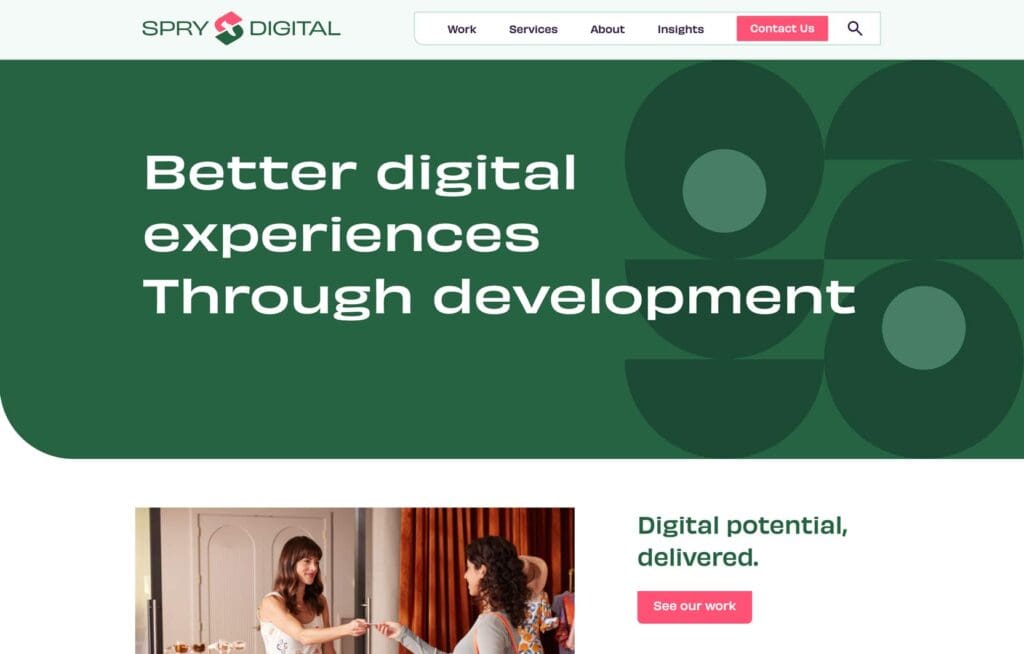
Finally, with designs approved and content ready, we transitioned into development. This marked the shift from Strategize and Design to Develop and Implement.
After months of research, workshops, and planning, our technology team brought the vision to life. Through customization, testing, integration, and deployment, we delivered a significantly improved digital experience — one that reflects who we are and what we offer today.
Meet the author