How Generative AI Actually Solves Operational Bottlenecks (Without the Hype)
Quick Summary for Busy Leaders
- The Big Theme: Organizations are drowning in “AI hype.” The real business value lies in using AI as a strategic tool to eliminate specific, narrow operational bottlenecks rather than chasing a “magic fix.”
- Key Innovation: Shifting from “AI as a content generator” to “AI as a force multiplier” that handles technical refactoring, data synthesis, and routine workflow automation to free up human expertise.
- The Risk: Implementing AI without a “human-in-the-loop” strategy, which leads to generic content, security vulnerabilities, and a loss of organizational brand voice.
- Our Verdict: Don’t chase AI for the sake of it. Audit your current operational friction and apply AI only where it can be validated and guided by your team’s existing expertise.
In today’s business landscape, organizations are frequently drowning in “AI hype.” Between extreme takes of total job replacement and dismissal of the technology as a fad, many leaders struggle to find practical applications that move the needle for their business.
To find real value, organizations must stop looking for a magic fix. You should position Generative AI as a strategic tool designed to eliminate specific operational bottlenecks. It is a force multiplier for real people, helping to streamline complex processes and create space for high-value, strategic thinking.
How to modernize legacy systems faster with AI
Technical debt and legacy systems often serve as the primary anchors slowing down digital transformation. Generative AI serves as a powerful solution to this technical bottleneck, allowing organizations to modernize infrastructure with unprecedented speed.
- Modernizing with confidence: Spry Digital uses AI to handle the tedious parts of refactoring. This allows our engineers to focus on the big-picture architecture.
- Built-in quality assurance: We integrate AI to check for accessibility and security while developing so that we keep standards high without slowing down the development team.
- Requirements Analysis: AI can help reason through the use cases of the legacy and new systems, scanning and testing for hidden or forgotten requirements.
How to use AI to turn information overload into actionable strategy
Modern businesses generate massive amounts of operational data, user feedback, and research. The bottleneck isn’t the lack of information; it’s the time required to process it. AI turns this data into actionable strategy by automating the synthesis phase.
- Meaningful synthesis: We use AI to organize messy research notes and meeting transcripts, helping the team get straight to the strategic work that matters.
- Clearer perspectives: Instead of spending hours digging through data, we use AI to connect the dots on trends and content gaps so we can make decisions faster.
- Focused insights: We let AI handle the heavy lifting of summarizing data. As a result, this gives the team more space to provide the high-impact advice your stakeholders actually need.
Scaling brand consistency: How we use Generative AI to manage content
Maintaining brand consistency across multiple channels can create significant operational overhead. AI reduces this friction by acting as a guardrail for brand voice and a catalyst for content creation.
- Protecting the brand: By fine tuning system prompts such as a GEM or GPT on Spry Digital’s specific brand guidelines, we ensure every draft captures our organization’s unique voice from the first word.
- Keeping the momentum going: We use AI to turn rough brainstorms into clear, structured drafts. This helps us avoid the dread of a blank page and keep our projects moving.
- Talking about what matters: By analyzing what audiences are actually searching for, we recommend content ideas that solve real problems rather than adding to the noise.
Reducing operational friction: Automating routine tasks to focus on human expertise
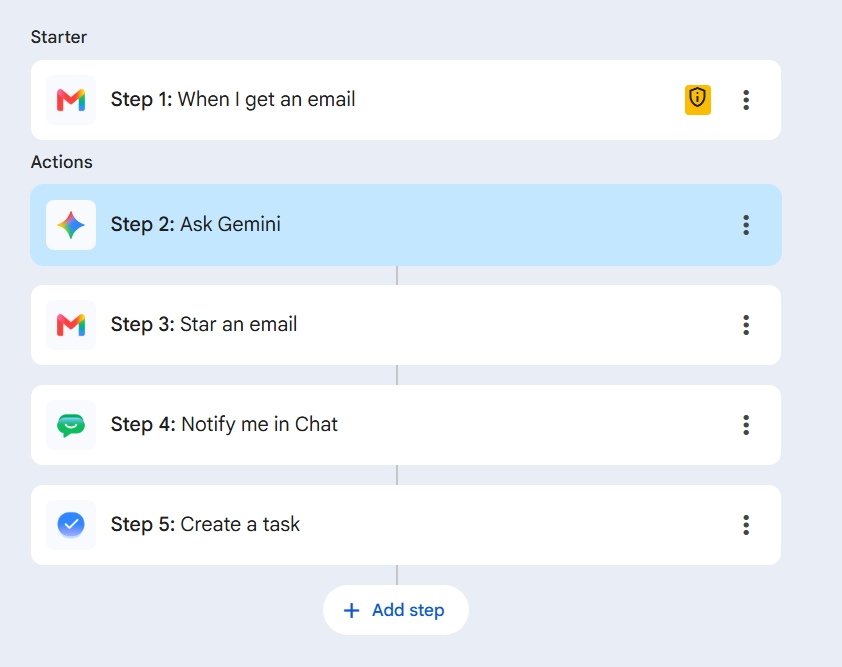
The most pervasive bottlenecks are often the smallest: routine tasks that drain energy. Lightweight AI automations protect team time and reduce friction in day-to-day operations.
- Protecting individual focus: We use smart tools to manage calendars and carve out buffer space. This ensures a team member has the quiet time they need to do their best work.
- Smoothing out the day-to-day: By automating routine tasks like routing requests or syncing docs, we help our team stay focused on the work that actually requires their expertise.
- Supporting a healthy pace: AI insights help us spot when workloads are getting too heavy. This allows us to proactively adjust and support the team’s well-being.
Empowering Human Teams
Ultimately, the goal of integrating Generative AI into an organization isn’t to replace human talent—it’s to empower it. Specifically, by automating the routine and organizing the complex, businesses can remove the bottlenecks that stifle innovation.
Consequently, when efficiency is solved at the operational level, teams are free to focus on what they do best. They do this by applying intuition, empathy, and strategic creative vision to build meaningful foundations for the future.
Are your operational bottlenecks slowing down your digital transformation? Let’s explore how to integrate AI-driven efficiency into your workflows.
Meet the author